Of the Council at Bloomsbury, and the Burial at Arbuthnott
The papers from the week following the party's return from Garway are more substantial than those that preceded them, and the Editor is able to present a continuous account.
The Council at Bloomsbury
The party convened at his Lordship's Bloomsbury address for dinner, and to discuss their various discoveries, of which there were three.
The first was the Professor's. He had taken his sketches of the bas-relief upon the Garway altar to his colleagues at the British Museum, and had returned with a determination he had not expected to reach. The carvings appeared to represent a Roman bacchanal, but with a shocking savagery not normally seen in antique depictions, and with the strange inclusion of tentacle appendages on some of the figures.
The second was his Lordship and the Sergeant's. They had been received at New Scotland Yard by Chief-Inspector D'Eath, who set out the state of the Ghost Station Massacre case as he then understood it: by his reckoning, three cultists remained at large. The Sergeant and his Lordship chose not to disabuse him of that notion. The Inspector also showed them certain objects he had removed from the Punjab Spice Company — namely a letter from a Damascene merchant inquiring about a rare mineral called Green Jim, and a letter from a mine in South Terras providing a sample of this mineral.
The third was the Captain's. He informed the party that he intended to return to Bombay by the first available boat, citing a professional, and now also a moral, obligation. Professor George Wyndham had travelled to the Levant to research a new book related to an alliance the Crusaders had made with the Assassins against Saladin. In Damascus he had discovered documentary evidence of a new religious sect, headed by a prophet named Assadin, and a prophecy made by Assadin. Wyndham had then travelled to India, where his research was less successful, and where he seemed to suffer some sort of breakdown — whereby he reached out to Mr Kensington via telegraph, stating that he was wrong to dismiss the prophecy, and that it would come to pass; that it had indeed already come to pass. Wyndham had not responded to any telegraphs since.
The Captain was also increasingly disturbed about the suggested gaps in his own recollection, and if it wasn't for the evidence of his own handwriting, would believe that he was being led on.
His Lordship attempted to persuade the Captain to travel with them to Bombay via Damascus, which the Captain declined, saying he couldn't in conscience delay his return to India any longer, save for Murdo's family funeral. The Professor also felt that the Damascus lead was weak, and not pressing enough to justify the complications of getting there. His Lordship, upon reflection, concurred.
The Burial at Arbuthnott
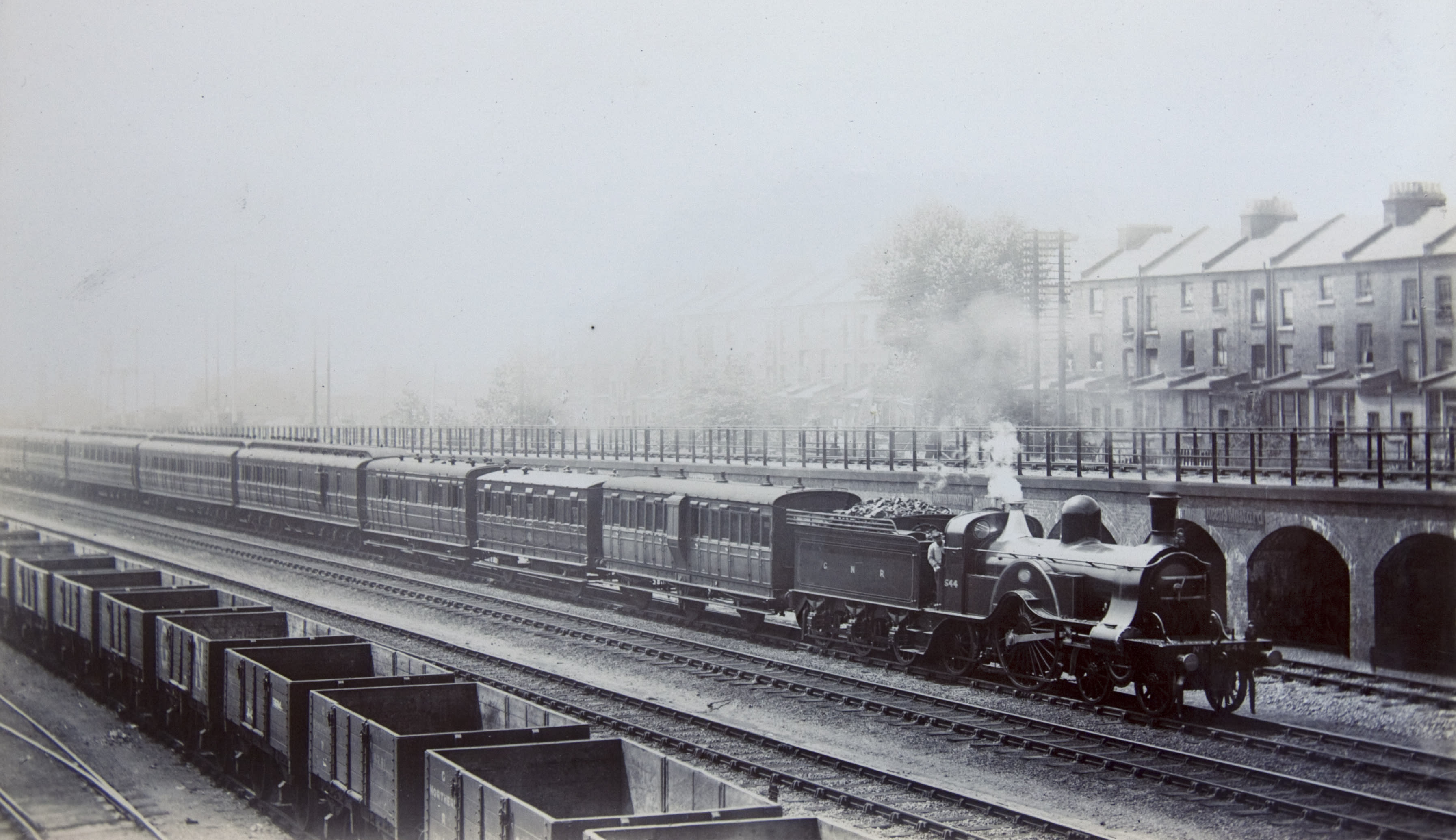
Plans were made for Murdo's final resting, the date set for Friday the 13th of October. The party travelled by luxury sleeper train to Arbuthnott. His Lordship requested Spencer to put notices in the national papers, as well as some prominent Indian ones (The Times of India and the Bombay Gazette), in the hope that this would flush out any remaining undesirable elements. His Lordship also requested his groundsmen to patrol the area armed with shotguns. In spite of this, the service passed without incident.
Among the mourners was Lord Edward Carter, a young friend of the family, then twenty-five years of age. He had known Lady Edith well in life, and had been by her own account treated by her with a seriousness that few others had thought to grant him. He had travelled north for the service. He passed his condolences to his Lordship in terms which the Editor would describe as moving, and made it understood that he would be at his Lordship's service in any continuation of the investigations into the matter of her death.
After a boozy wake, the party retired with sore heads, but full hearts and stomachs.
Of the Weekend on the Estate
The remainder of the weekend was spent shooting on the estate, with Professor Clarke being declared the best shot, bagging the most birds over the weekend. Game pie and soup were enjoyed. The party now look to return to London to attend to their affairs before heading off to the far frontiers of Empire.
Spencer has booked passage for the party on the SS Verona, sailing from Tilbury on the 19th of October. His Lordship and the Captain travelling First Class, attended by Spencer and Amin respectively, while the Professor and Tomlinson will travel Second Class.
The session ended Sunday evening, October 15th, 1893.