Dramatis Personae
The principals of the work, as they stood at its beginning in October 1893. The papers that follow record what came of them.
The Arbuthnott Collective
David 'Sandy' Arbuthnott, 11th Viscount of Arbuthnott

Born 1856 at Arbuthnott, Laurencekirk, the youngest son of John, ninth Viscount of Arbuthnott. Educated at Fettes College and Sandhurst; commissioned into the 19th Royal Hussars, 1876. Served in India and in the Mahdist War of 1882–85, fighting at Tel-el-Kebir, El Teb, Tamai, and Abu Klea, where he was lightly wounded. Rose to Lieutenant-Colonel; received the Egypt Medal and the Distinguished Service Order. Senior lecturer in Military Science at the Royal Military Academy from 1887. Inherited the title upon the death of his elder brother, John Murdo, 10th Viscount, in September 1893.
Captain William Leighton
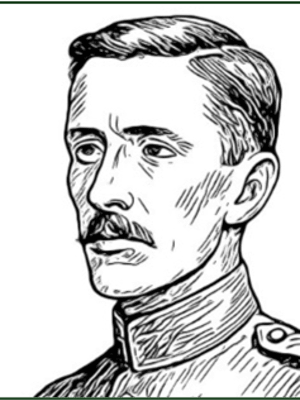
Soldier and explorer of the Royal Geographic Society. A close confidant and former protégé of John Murdo Arbuthnott, who guided him through his early years in India. Survived an attempt upon his life at the Royal Geographic Society in September 1893, in which he sustained the injury that cost him his arm; spirited from St Bartholomew's to a Military Hospital on the south coast through Lord Arbuthnott's intervention. Returned to London in late September, in time to deliver the eulogy at the memorial for the fallen Vigilance Committee.
Spencer
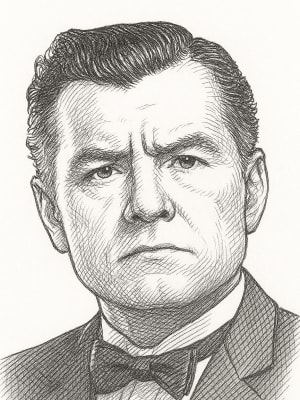
Born in Wiltshire, 1851, the son of a tenant farmer. Entered domestic service at fourteen, advancing through the household ranks of several minor gentry families before entering the service of John Murdo Arbuthnott in 1878. Accompanied his master to India and subsequently to the Arctic; learned rudimentary first aid from an army surgeon at the Calcutta Residency. Reserved, exacting, imperturbable. Retains the Webley revolver issued during his Indian service, polished weekly though seldom fired.
Amin Abanoub el Kebir
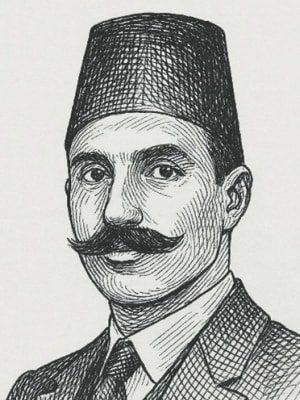
Born in Alexandria, 1864, the son of a Coptic deacon. Fled the Alexandria riots of 1882 with his mother and sisters; his father did not survive the journey. Enlisted in the Egyptian army in his early twenties, where he came to the attention of Lieutenant Sandy Arbuthnott, in whose service he has remained since. Carries an ancient ceremonial knife of the Coptic Church, and at his neck a golden ankh given him by his mother, from whom he had been parted in the riots of 1882.
Sergeant Archibald Tomlinson

Born and raised in Stepney, the twin brother of Martha Tomlinson. Joined the Bow Division of the Metropolitan Police at twenty-one. The chief surviving witness of the Ghost Station Massacre, in which he sustained the wounds for which he was hospitalised at St Bartholomew's, and from which he is now recently discharged. The Lord Mayor's commendation has lately advanced him to Sergeant. Loyal to a fault; once a promise is given, nothing short of death will make him break it.
Professor C. Caractacus Clarke
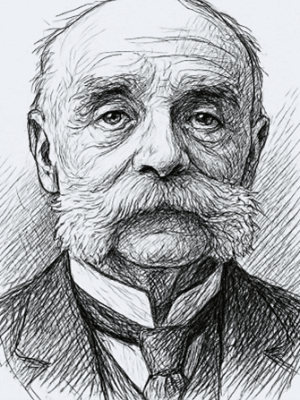
Born in St Albans, 1826. Distinguished classicist, scholar of Roman and Carthaginian history, latterly retired from the universities and resident in London. Known by his close friends as C.C.C. A confirmed bachelor of mild eccentricities, given to puns and to a fondness for port. Outwardly a regular communicant of the Church of England; less publicly, a member of the Hermetic Order of the Golden Dawn. Among his former students he counts the archaeologist William Matthew Flinders Petrie, whose gift of an ankh, unearthed near the Great Pyramid of Cheops, is among his most treasured possessions.
The Later Recruits
Lord Edward Carter

Lord Edward Carter, twenty-five, of a lesser branch of an old aristocratic family. Educated patchily — having attended two schools and left both early — and given more to field sports, riding, and shooting than to formal study. Extended time in his late teens in India, hosted by family friends in Bombay, gave him his serviceable Hindi and his fascination with the natural world. Latterly returned to England, where the social label of "dilettante" has settled upon him with his own good-humoured acquiescence.
The Vigilance Committee
Slain at the Ghost Station, 19th September 1893.
John Murdo Arbuthnott, 10th Viscount of Arbuthnott

Founder of the Vigilance Committee. Soldier of Skinner's Horse; explorer of the Indo-Tibetan frontier and the Arctic; widower of Anna Arbuthnott, who predeceased him in 1892. Memoirist, alpinist, controversialist. Sandy's elder brother by twelve years.
Lady Edith Burton-Smith

Daughter of Captain Walter Burton-Smith, killed in India under suspicious circumstances. Protégée of John Murdo Arbuthnott from her girlhood; explorer and writer in her own right. Carried always her late father's peshkabz, a curved Persian dagger of bone and damascened steel.
Dr Henry Powell

Alienist of some distinction. Edinburgh-trained, formerly of Broadmoor, latterly in private practice. A consulting alienist for Scotland Yard. Removed the ball from Captain Leighton's shoulder following the attempt upon his life at the Royal Geographic Society, saving the Captain's life if not his arm.
Peter Clare
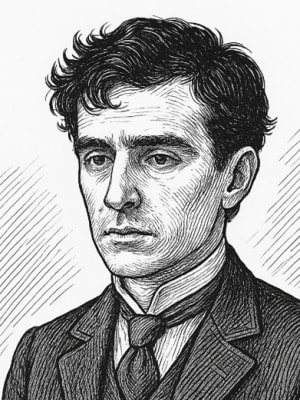
Librarian of the British Museum Reading Room; poet of unobtrusive gifts. A friend of the writer Arthur Conan Doyle, with whom he shared a quiet interest in folklore and the older traditions. A native of the Shropshire Hills, in whose woods and uplands his poetry was rooted.
Sepoy Hamid Din

Loyal servant of Captain William Leighton, with whom he had come to England from India. Transferred his service to the Arbuthnott Vigilance Committee while the Captain himself convalesced under guard at a Military Hospital on the south coast.